Welcome to the Garden Pages
Good to see you! I’ve got photos and articles on growing California native and western plants, succulent plants and cacti, plus planting tips on growing drought-tolerant and dry weather plants.
So, kick off your shoes and relax at theGardenPages!
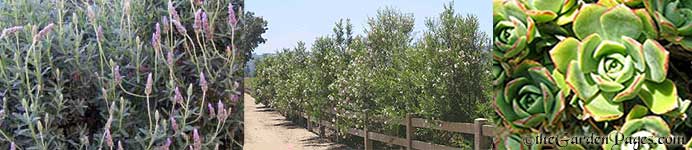
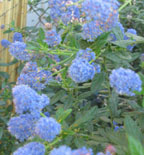 California Native Plants and Garden Inspiration: California Native Plants and Garden Inspiration:Drought tolerant does not mean you can only landscape with cactus and succulent plants. The other option is to go native. You can create a beautiful garden full of flowers with plants that don’t need a lot of water. Native plants are already on your schedule. |
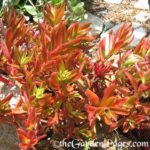 Succulent Plant Gardening Tips: Succulent Plant Gardening Tips:Ever hear of a color change plant? Try succulents if you think cacti are too prickly and some even change color with the seasons. All succulent plants are drought tolerant and easy to grow in post. |
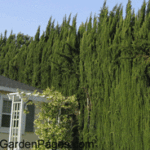 Great Drought Tolerant Shrubs for Privacy Screens: Great Drought Tolerant Shrubs for Privacy Screens:Get started on your backyard sanctuary by creating shade, garden rooms or just blocking an unsightly sight or nosy neighbor. Read about great plants for fast privacy screens. |
 Lavender Care and Growth: Lavender Care and Growth:Drop by our Lovely Lavender page for photos, aromatherapy information and a little bit of lore. |
 Gardener Sayings and Floral Art: Gardener Sayings and Floral Art:My gardener sayings and floral designs for gardeners by gardeners inspired by actual garden events… |
Other Pages and Articles on tGP
Easy Plant Propagation Tips
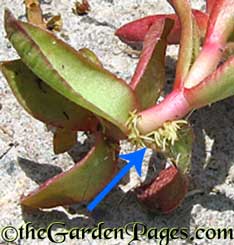
Most succulent plants are easy to multiply with cuttings. Find out how expand your collection by rooting and growing cactus pads or succulent plant leaf cuttings.
Read more on the plant propagation page…
How to Grow Cooking Herbs for Dry Gardens
There are drought-tolerant herbs that are happy to grace your kitchen garden. There’s nothing like dashing out to pick a few fresh, fragrant herbs to add to your roast, soups or stews. Here are a few perennial culinary herbs that will not mind a little heat on their way to the kitchen:
Growing and Care of Fragrant Culinary Sage Plants
Rosemary Plants as Cooking Herb and Drought Tolerant Shrubs
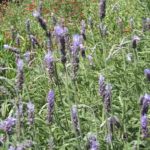
Lovely, Flowering, Fragrant Lavender Plants
Drought Tolerant Flowering Shrubs and Plants
I may not have a lot of water, but I still like flowers, plus the birds and butterflies that enjoy them too. Here are a few of the flowering plants that grow well in low-water gardens:
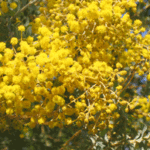
Fragrant Yellow Flowering Acacia Trees
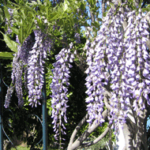
Purple Flowering Wisteria Vines
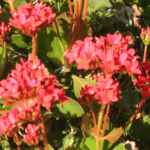
Flowering Kalanchoe Plant Care
More Quick Gardening Tips:
New Plant Transplanting Tips or How to Keep Your Plants From Frying in a Heat Wave
Give your new transplants some shade for the first few days after planting. It helps them adjust to their new home and reduces transplant stress. This info also works for plants that need emergency shade during 100 degree weather.
Be creative: Try shading with a small umbrella (great way to recycle old umbrellas), a garden banner or flag, an old t-shirt or a small piece of shade cloth. You can hang fabric over tomato cages, old wire fencing or a cool branch left over from your last pruning project. I suppose you could actually build a real frame and staple on the shade cloth too.
Try not to do planting during the heat of the day – it just wears everyone out! In warmest areas it it best to give new transplants a little water every day for the first two or three days. Resist the temptation to give them too much water or they will get rot. Find more quick shade ideas on my gardening blog….
What’s My USDA Planting Zone?
In order to help gardeners determine the best times and plants for their area, The United States Department of Agriculture zone map shows in detail the lowest temperatures that can be expected each year in the United States, Canada, and Mexico. The map shows different zones, each of which represents an area of winter hardiness for the plants of agriculture and our natural landscape. Their site also gives planting, growing recommendations and cold hardiness for your area.
Use this handy link to the US Arboretum’s Online USDA Zone Map
Yeah, but what’s my USDA Planting Zone if I’m in Australia?
We share the same climate, (and a totally awesome surf culture) so why not swap gardening tips over the digital back fence? In gratitude to the visitors I get from Australia, I thought it would be neighborly of me to help sort out all this crazy U.S. Planting Zone business.
Plant Hardiness Zones for Australia, by Iain Dawson (Horticultural Research Unit, ANBG) 1991. Iain has since retired from the Australian National Botanic Gardens, but we are grateful for his kind, thoughtful and hard work on this project. He has helped many a seed and shrub!
Drop by my Southern California Gardening Blog…
Keep up to date on what’s blooming in the garden or drought-tolerant plants…